Bet on the Underdog Airline: How Booking a Carrier in Financial Freefall Can Land You the Cheapest Ticket of Your Life
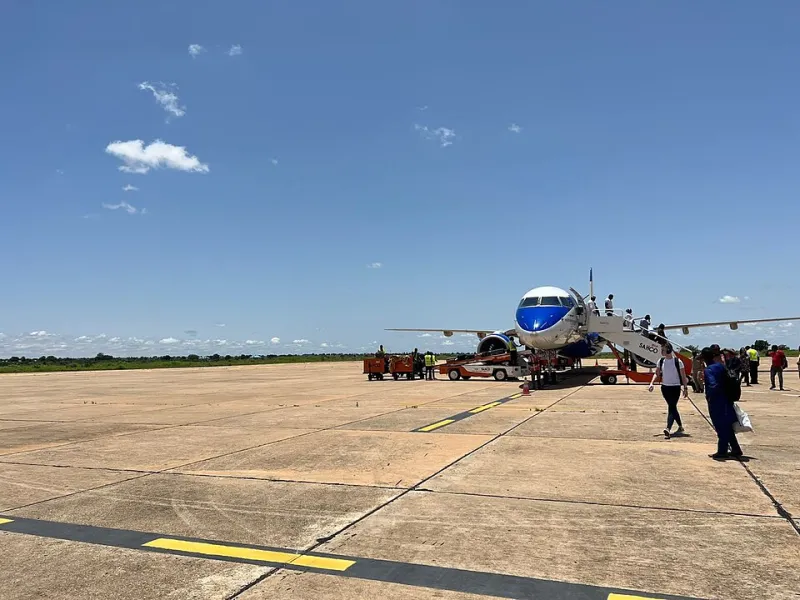
Photo: Kayusyussuf, CC BY-SA 4.0, via Wikimedia Commons
Let's be honest: the words "airline" and "financial stability" have never exactly been soul mates. The aviation industry has a long, dramatic history of carriers teetering on the edge, filing for Chapter 11, restructuring, and occasionally just... vanishing mid-Tuesday. And yet, buried inside all that corporate chaos is something beautiful for the budget traveler — fire-sale pricing that would make a Black Friday doorbuster look timid.
At FlyLuckyJet, we believe the dice don't always favor the cautious. Sometimes the luckiest move is the one everyone else is too nervous to make. So let's talk about the counterintuitive, slightly eyebrow-raising, surprisingly legitimate strategy of booking flights on airlines that are, shall we say, financially adventurous.
Why Struggling Airlines Slash Prices to Survival-Level Lows
When an airline starts hemorrhaging cash, its instinct is to fill seats — any seats, at any price. Revenue coming in, even at razor-thin margins, keeps the lights on and the engines running a little longer. This is why carriers approaching restructuring or bankruptcy protection often roll out promotions that look less like marketing campaigns and more like going-out-of-business sales.
Think of it like a restaurant that's about to close. Suddenly the prix fixe menu is $9. You eat well. They pay the electric bill for one more night. Everybody wins — at least temporarily.
Historically, airlines like Frontier (during its various reinventions), Spirit (which filed for Chapter 11 in late 2024), and smaller regional carriers have offered deeply discounted fares in the months preceding major financial announcements. Travelers who happened to be paying attention — or who were just lucky enough to check their deal alerts at the right moment — snagged coast-to-coast tickets for prices that felt like typos.
The Elephant in the Terminal: What Happens If the Airline Folds?
Here's where people get spooked, and honestly, fair enough. Nobody wants to show up at the gate only to find a padlock and a sad note taped to the departure board. But the reality is more nuanced than the nightmare scenario.
First, the good news: the U.S. Department of Transportation (DOT) has rules that require airlines to provide refunds for canceled flights, regardless of the carrier's financial condition. If an airline ceases operations and your flight doesn't happen, you are entitled to a full refund to your original payment method. This isn't optional for the airline — it's federal regulation.
Second, if you paid with a credit card (and you should always pay with a credit card, full stop), you have an additional layer of protection through your card's dispute resolution process. Visa, Mastercard, and Amex all allow chargebacks for services not rendered. So even if the airline's refund process becomes a bureaucratic nightmare during bankruptcy proceedings, your credit card issuer has your back.
Third — and this is the part most travelers don't know — airlines that file for Chapter 11 reorganization (as opposed to Chapter 7 liquidation) typically keep flying during the restructuring period. Chapter 11 is essentially a legal timeout, not a funeral. The airline continues operations while it figures out its finances under court supervision. Many carriers have emerged from Chapter 11 healthier and still honoring tickets purchased before the filing.
Real Travelers, Real Savings, Real Stories
Let's get specific, because abstract advice is about as useful as a boarding pass with no gate number.
When Spirit Airlines filed for bankruptcy protection in November 2024, travelers who had booked during the airline's aggressive discount period in the preceding months reported fares as low as $29 each way on routes like Orlando to New York and Dallas to Los Angeles. Many of those flights operated normally. Those who paid by credit card and kept their booking confirmations had zero issues, even as the airline's future remained uncertain.
Similarly, when smaller regional carriers like Avelo have faced turbulent financial press, their promotional fares — sometimes 40 to 60 percent below comparable routes on Delta or United — attracted deal-hunters willing to monitor the situation closely. The key in every case: short booking windows, credit card payments, and a Plan B in the back pocket.
One traveler from Phoenix described booking a round trip to Chicago on a carrier that had just announced "strategic restructuring" for $87 total. "I figured worst case, I'd get my money back and book something else," she told a travel forum. "Best case, I'd fly for less than a tank of gas. I flew for less than a tank of gas."
How to Play This Game Without Getting Burned
Okay, so you're intrigued. Here's the FlyLuckyJet guide to betting on the underdog without leaving your entire travel budget on the table.
Book close to the travel date. The shorter the gap between purchase and departure, the less time there is for the carrier to implode before your flight. A ticket bought three weeks out is a different risk profile than one bought six months out.
Never pay with a debit card or cash. This cannot be stressed enough. Credit card purchase protection is your insurance policy. Use it.
Keep your booking confirmation and all receipts. If things go sideways, you'll need documentation for your DOT complaint or credit card dispute. Screenshot everything.
Watch the news, but don't panic. Airlines announce restructuring, leadership changes, and financial reviews constantly. Not every headline means your flight is doomed. Set a Google Alert for the carrier's name and check it periodically without catastrophizing.
Have a fallback option priced out. Know what the same route costs on a more stable carrier. If your distressed-airline ticket gets canceled, you want to book that backup in under five minutes, not spend three hours stress-searching while your travel dates evaporate.
Avoid non-refundable add-ons. Seat upgrades, checked bag fees, and priority boarding purchased through a struggling airline are harder to recover than the base ticket price. Travel light and keep the extras minimal.
The Bigger Picture: Instability Is a Feature, Not a Bug
The aviation industry's financial volatility isn't going anywhere. Airlines are structurally complicated businesses — they're capital-intensive, fuel-dependent, labor-heavy, and wildly sensitive to economic shifts. That means there will always be carriers cycling through boom and bust, and there will always be fire-sale moments hiding inside the chaos.
For the budget traveler willing to do a little homework and accept a modest level of uncertainty, those moments are golden. The risk isn't zero — nothing in travel is — but with federal consumer protections, credit card safeguards, and a sensible strategy, booking on a financially stressed carrier is far less reckless than it sounds over cocktails.
At FlyLuckyJet, we've always believed that the best deals live where most people are too cautious to look. The underdog airline, the weird departure time, the route nobody talks about — that's where the dice roll in your favor.
So the next time you see a headline about an airline "exploring strategic alternatives" and immediately assume it's bad news, look again. For the savvy traveler, that headline might just be the luckiest thing you read all week.