Stop Planning So Hard: The Science Behind Spontaneous Flight Deals That Actually Pay Off

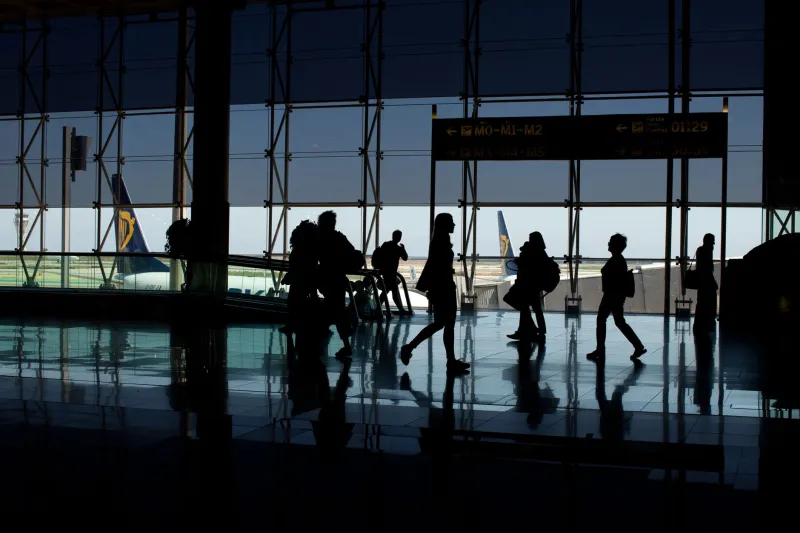
Photo: spontaneous traveler airport departure board looking at flights last minute, via thumbs.dreamstime.com
Let's be honest. You've got a friend who spends six months researching a vacation. They've got a spreadsheet. Maybe two. There's a shared Google Doc with color-coded tabs for hotels, restaurants, and optimal bathroom break locations along the highway. And then, somewhere along the way, they pay $480 for a round-trip flight that you — the person who made a snap decision at 11:47 PM on a Tuesday — snagged for $109.
Welcome to the Lucky Jet philosophy, where the dice roll in your favor precisely because you stopped overthinking it.
Why Over-Planning Might Actually Cost You More
Here's the uncomfortable truth that travel economists have been quietly murmuring about for years: the traditional "book early, save big" rule is increasingly a myth for budget travelers.
Dr. Lena Howell, a behavioral economist who studies consumer decision-making in the travel sector, puts it bluntly: "Airline pricing algorithms are sophisticated and dynamic. They're not rewarding loyalty to a departure date you circled on a calendar six months ago. They're responding to real-time demand signals. And last-minute inventory clearance — especially on budget carriers — creates genuine windows of opportunity for flexible travelers."
In other words, airlines would rather fill a seat at 40% of the asking price than fly with an empty one. That's your opening.
A 2023 analysis of budget airline fare patterns found that spontaneous bookings made within a two-week window of departure saved travelers an average of 23% compared to bookings made more than three months in advance — particularly on routes where demand had softened. Budget carriers, which operate on razor-thin margins and high seat turnover, are especially prone to these pricing valleys.
The Psychology of the Lucky Booker
So why don't more people do this? Simple: uncertainty is uncomfortable, and the human brain is wired to mistake a false sense of control for actual safety.
When you book a flight six months out, you feel prepared. That feeling is real. The savings, however, are not always.
"There's a cognitive bias called the planning fallacy," says Dr. Howell. "We overestimate the benefits of planning and underestimate how much the world — including airline prices — can shift. Spontaneous travelers have essentially hacked this bias by accepting uncertainty as a feature, not a bug."
FlyLuckyJet users seem to have figured this out the fun way.
Take Marcus T., a 34-year-old graphic designer from Austin, Texas, who booked a flight to New Orleans on a Friday afternoon for the following Sunday — all because he saw a deal pop up while eating lunch. "I literally said out loud, 'Why not?' to nobody," he laughed. "Ended up at Jazz Fest, ate beignets until I couldn't move, and paid less than my coworker paid to fly to the same city four months later. She had a spreadsheet. I had vibes."
Or consider Priya S. from Chicago, who let FlyLuckyJet's surprise destination feature pick her next trip. "I gave it my budget and my dates and just... went with it. Ended up in Denver for a long weekend. Hiked, ate incredible green chile, didn't check my email once. Best reset I've had in years. And I saved $200 compared to what flights were going for when I looked the week before."
The Flexible Traveler's Unfair Advantage
Here's what the over-planners don't want to admit: flexibility is a superpower, and most Americans aren't using it.
According to a survey by the U.S. Travel Association, nearly 60% of American travelers say they would consider changing their destination if a significantly better deal appeared — yet fewer than 20% actually structure their travel planning to take advantage of that openness. There's a gap between what people say they'd do and what they actually do when faced with a calendar and a booking page.
Budget airlines, and platforms like FlyLuckyJet, are built for that 20%. They thrive on travelers who treat a departure city as a suggestion and a travel date as a general vibe rather than a hard deadline.
The trick, travel insiders say, is to flip the traditional planning model on its head. Instead of picking a destination and then finding flights, start with the flights and let the destination reveal itself. Set fare alerts for your home airport. Watch for flash sales. Keep a loose "available weekends" list in your head rather than a rigid itinerary.
"The best deal I ever found," said Marcus, "was because I wasn't looking for that deal. I was open."
How to Roll the Dice Without Blowing Your Budget
Spontaneity doesn't mean recklessness — it means strategic looseness. There's a difference.
A few ground rules for the aspiring lucky booker:
Keep your travel window flexible. Midweek departures and returns almost always beat weekend travel on budget carriers. If you can fly out on a Tuesday and back on a Thursday, you're already playing a stronger hand.
Travel light by default. The budget airline deal evaporates fast when you add checked bags. One carry-on, one personal item, and you're in the game. Pack like you're going on a weekend trip even if you're going for a week.
Have a soft destination wishlist, not a hard one. Know the regions you're open to — Southeast, Mountain West, Gulf Coast — so when a deal pops up, you can say yes in thirty seconds instead of spending three hours researching and missing the window.
Trust the algorithm (sometimes). Platforms that surface deals based on your home airport and flexible dates are doing the heavy lifting for you. Let them. That's what they're there for.
The Best Trips Are the Ones You Didn't Overthink
There's a reason the best travel stories rarely start with "So I had it all planned out perfectly." They start with "So this was kind of a last-minute thing..." or "I honestly didn't even know what city I was flying into until—"
That's the Lucky Jet promise, really. Not chaos. Not blind luck. But the quiet, thrilling confidence of someone who knows that the universe — and the airline pricing algorithm — occasionally leaves a door cracked open for the person bold enough to walk through it.
Your spreadsheet-loving friend will have a fine vacation. But you? You might end up somewhere you never expected, paying less than you planned, eating something you can't pronounce, and wondering why you ever spent six months preparing for anything.
Roll the dice. Catch the flight. The best deal you'll ever get is the one you didn't see coming.