Forget Friday Flights: The Weird Science of Booking Cheap Airfare at Ungodly Hours
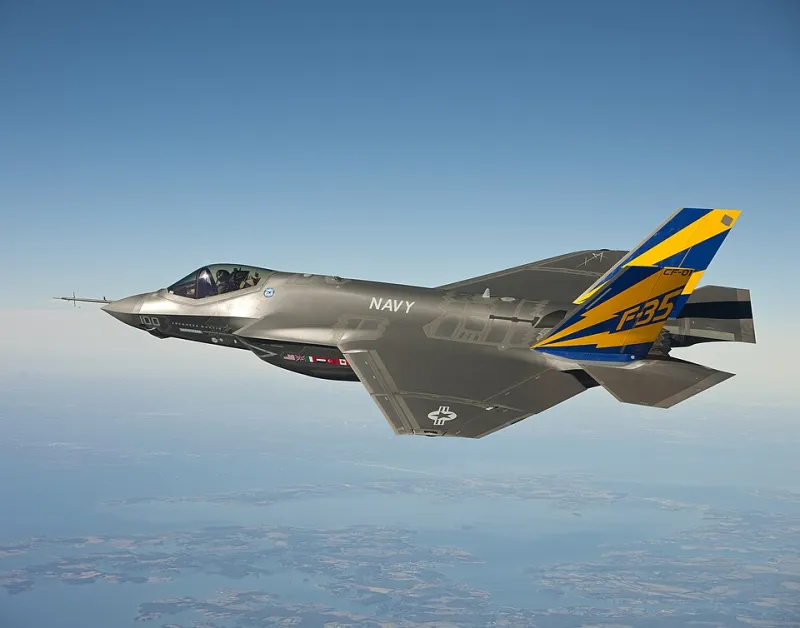
Photo: Andy Wolfe, Public domain, via Wikimedia Commons
Let's be honest. At some point, a coworker, a travel-obsessed aunt, or a random Reddit thread told you to book flights on a Tuesday. Or was it Wednesday? Or maybe Sunday before noon? The advice changes depending on who you ask, and yet everyone delivers it with the confidence of someone who just discovered fire.
Here at FlyLuckyJet, we believe in rolling the dice — but we also believe in loading them in your favor. So we did something radical: we actually looked at the data. What we found is equal parts fascinating and deeply inconvenient for anyone who enjoys sleeping past 5 AM.
The Myth of the Magic Day
First, let's bury the fairy tale. There is no single universally golden day to book a flight. Airlines don't operate like a casino with a fixed payout schedule (well, not exactly — more on that in a second). Fare prices are dynamic, constantly shifting based on demand algorithms, competitor pricing, seat inventory, route popularity, and yes, probably the mood of a server farm somewhere in suburban Texas.
What studies from fare aggregators like Google Flights and Hopper have consistently shown is that Tuesday and Wednesday flights — not just booking days — tend to be cheaper. Why? Because business travelers dominate Monday and Friday routes, driving prices up like a bidding war at a very boring auction. Mid-week flyers are mostly leisure travelers and budget-conscious folks, so airlines drop prices to fill seats that would otherwise fly empty.
But here's the twist nobody talks about enough: when you book matters almost as much as when you fly.
The 6 AM Window Nobody Wants to Talk About
Industry insiders — including a former revenue analyst at a regional US carrier who spoke to us on the condition that we not name his airline (it rhymes with 'Frontier') — confirm that airlines often push fare updates overnight. Their pricing teams, operating on Eastern Time, frequently release new inventory or drop fares in the early morning hours, typically between midnight and 7 AM ET.
By the time most Americans are checking their phones over coffee at 9 AM, those deals have already started to disappear as the booking algorithms detect demand and nudge prices back up.
"People think fare sales are these grand announcements," our source told us. "But a lot of the best drops happen quietly, almost automatically. If you're awake and searching at 6 AM on a Tuesday, you're competing with almost nobody."
There it is. The Lucky Jet paradox in full bloom: the best deals go to the people least likely to be conscious enough to grab them.
The Routes That Reward the Weird Hours
Not every route plays by the same rules, and this is where things get genuinely interesting for US travelers.
Domestic mid-continent routes — think Chicago to Denver, Dallas to Nashville, or Atlanta to Kansas City — show some of the most dramatic mid-week fare swings. These aren't glamour routes. They don't have Instagram hashtags. But they're workhorses of the US airline network, and because business travel dominates them Monday through Friday, the window of cheap fares on Tuesday and Wednesday mornings can be surprisingly wide.
Secondary airport pairs are another goldmine. Flying out of Midway instead of O'Hare, or Baltimore instead of Dulles, doesn't just save you on parking — it puts you on routes where airlines are hungrier to fill seats. Combine a secondary airport with a 6 AM departure on a Tuesday, and you're basically playing the slot machine with three cherries already lined up.
Red-eye flights, particularly those departing between 10 PM and 1 AM, also consistently underperform in ticket sales, which means airlines quietly slash prices to avoid flying half-empty. Nobody wants to arrive at their destination looking like a raccoon who survived a turbulence event, but your wallet will thank you.
How Far Out Should You Actually Book?
The "book early for best prices" gospel is only half true. Book too early and you're paying a premium for the privilege of planning. Book too late and you're paying a different kind of premium — the "I need to get to my cousin's wedding in Tampa by Saturday" tax.
The sweet spot, according to aggregated data from multiple fare-tracking platforms, sits at roughly three to six weeks out for domestic US flights. That's the window where airlines have enough data to know which flights are selling slowly, and they start nudging fares down to stimulate demand.
For international flights from the US, that window stretches to two to four months — though budget-friendly transatlantic fares have been known to pop up much closer to departure when airlines need to move inventory fast.
The key move? Set fare alerts. Seriously. Apps like Google Flights, Hopper, and Kayak will track your target routes and ping you when prices drop. Then — and this is the FlyLuckyJet pro tip — check those alerts on Tuesday or Wednesday morning before 8 AM ET. You're combining the two lucky variables into one power move.
The Counterintuitive Booking Behavior That Actually Works
Here's what the data-savvy budget traveler actually does, and it looks nothing like what travel influencers post:
- They don't book on weekends. Saturday and Sunday are peak browsing times. More eyeballs mean the algorithm assumes higher demand, and prices creep up accordingly.
- They're flexible with their destination. Using "Explore" features on Google Flights or fare map tools, they let cheap prices tell them where to go rather than the other way around. Spontaneous? Yes. Brilliant? Absolutely.
- They check prices in incognito mode. Whether or not airline sites actually use cookie-based pricing is debated, but why risk it? Incognito costs you nothing.
- They book one-ways instead of round trips when the math works out. Sometimes two separate one-way tickets on different carriers beat a round trip by a significant margin, especially on budget airlines.
So When Should You Book?
If you've made it this far hoping for a clean, simple answer: Tuesday morning, early, for a Wednesday or Tuesday departure, three to five weeks out, from a secondary airport, on a route that nobody's Instagramming. Set your alarm. Drink your coffee. Roll the dice while everyone else is still hitting snooze.
Is it guaranteed? Nothing in budget travel is guaranteed. Airlines are chaotic, glorious, unpredictable beasts. But stacking these factors in your favor is the closest thing to a cheat code that actually exists in the fare game.
At FlyLuckyJet, we're not promising you'll always win. We're just saying the house has less of an edge at 6 AM on a Tuesday. And honestly? That's enough.