Getting Bumped Is the New Travel Hack: How to Cash In on Airline Overbooking Like a Pro
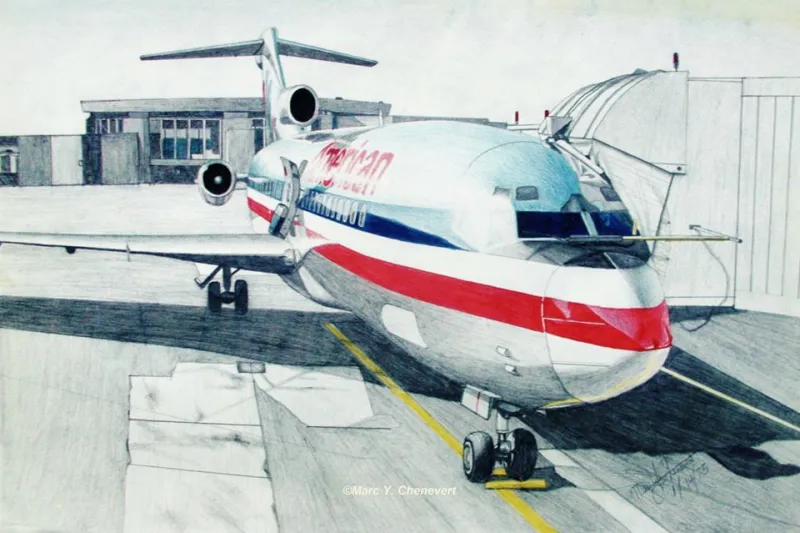
Photo: Marc Y. Chenevert, GFDL, via Wikimedia Commons
Let's set the scene. You're standing at the gate, coffee in hand, boarding pass ready, mentally already on the beach — and then the gate agent announces they've oversold the flight and need volunteers to give up their seats. Most passengers stare at their shoes. A few groan loudly. But the savvy budget traveler? They're already speed-walking to the counter, hand in the air, because they know something the rest of the gate crowd doesn't: getting bumped is basically winning a scratch-off ticket you didn't even buy.
Welcome to the airline overbooking lottery. It's real, it's legal, and people are walking away with hundreds — sometimes thousands — of dollars in compensation every single day at airports across the United States. Here at FlyLuckyJet, we believe in rolling the dice wherever there's a payout, and this one has some of the best odds in the travel game.
Why Airlines Overbook in the First Place (Spoiler: It's About Math, Not Malice)
Airlines aren't trying to ruin your day — they're running a numbers game. Statistically, a certain percentage of passengers always miss, cancel, or reschedule their flights. To avoid flying with empty seats (which costs them real money), airlines deliberately sell more tickets than there are seats on the plane, betting that the no-show rate will balance things out.
Sometimes, though, everyone actually shows up. And that's when the overbooking lottery officially begins.
The Department of Transportation (DOT) has clear rules about this. If you're involuntarily bumped from a domestic flight — meaning you did everything right and they still can't seat you — you're entitled to cash compensation, not just a voucher. We'll get to that in a second. But first, let's talk about the voluntary side of this equation, because that's where the real magic happens.
Volunteering to Get Bumped: The Art of the Negotiation
When an airline asks for volunteers to give up their seats, the first offer they make is almost never the best offer they'll make. Think of it like a car dealership — nobody pays the sticker price.
Here's how the process typically plays out:
Step 1: Don't rush to the counter. Wait. Let the desperate first offer sit in the air. Airlines start low — sometimes with a $200 voucher — because they're hoping someone bites immediately. If nobody volunteers, that number climbs fast.
Step 2: Ask what's actually on the table. When you do approach the gate agent, ask directly: "What's the current compensation, and is there any flexibility on that?" You'd be surprised how often the answer is yes, especially if the flight is severely overbooked.
Step 3: Negotiate like you mean it. Ask for the next available flight (ideally a short wait, not a six-hour layover nightmare), a meal voucher, lounge access, and the maximum cash or travel credit they can offer. Many experienced bump-hunters report walking away with $800 to $1,500 in travel credits, plus meals and a hotel if the delay runs overnight.
Step 4: Get it in writing before you leave the counter. Verbal promises evaporate faster than gate-checked luggage. Make sure your compensation is documented.
The Involuntary Bump: Know Your Legal Rights
If the airline can't find enough volunteers and bumps you without your consent, federal law kicks in — and it's actually pretty generous.
Under DOT regulations, if your domestic flight is delayed one to two hours due to involuntary bumping, you're entitled to 200% of your one-way fare, up to $775. If the delay stretches beyond two hours, that jumps to 400% of your one-way fare, up to $1,550 — in cash, not just a voucher.
Here's the critical part most travelers miss: you can refuse the voucher and demand the cash. Airlines love to offer travel credits because it keeps the money in their ecosystem. But the law says cash (or a check). If an agent tries to hand you a $400 voucher when you're legally entitled to $900 in cash, politely but firmly say, "I'd like the cash compensation I'm entitled to under DOT regulations, please."
Knowing this phrase is worth printing on a t-shirt.
Real People, Real Paydays: The Bump Hall of Fame
This isn't theoretical. Budget travelers across the country have been quietly stacking bump payouts for years.
-
A frequent flyer from Chicago reported collecting over $4,200 in travel credits across three separate voluntary bumps during a single busy holiday season — all while barely changing her travel plans by more than a few hours each time.
-
A couple from Austin deliberately booked flexible tickets on notoriously overbooked routes during peak summer travel, volunteered to be bumped twice on a round trip, and effectively funded their entire European vacation with the resulting credits.
-
One solo traveler made a habit of arriving early to overbooked flights on busy routes like LAX to JFK, volunteering to bump every time the opportunity arose. Over 18 months, he accumulated enough credits to fly business class to Tokyo — for free.
The common thread? These people treated overbooking not as a disruption, but as a feature.
How to Set Yourself Up for Bump Success
You can't force an airline to overbook, but you can position yourself to benefit when it happens.
Fly peak routes on peak days. Holiday weekends, Friday afternoons, Sunday evenings — these are the overbooking sweet spots. Routes like New York to Miami, LA to Vegas, and Chicago to Dallas are perennial overbook favorites.
Book the most flexible ticket you can afford. If you're bumped voluntarily, you need to actually be okay with waiting. Don't do this on a trip where missing a few hours is catastrophic.
Get to the gate early. Gate agents approach volunteers in person. If you're not there yet, you miss the conversation.
Be friendly. This sounds obvious, but a pleasant traveler who's clearly flexible will get better treatment than someone who looks like they're already composing an angry tweet. Gate agents have discretion, and they use it.
Keep your plans loose on the back end. The best bump deals come when you can genuinely afford to wait around — which means not having a connecting flight, a hotel check-in deadline, or a wedding rehearsal dinner in four hours.
The Bottom Line: Chaos Has a Price Tag, and It's in Your Favor
Most travelers treat overbooking like a natural disaster — something that happens to them, chaotic and unfair. But at FlyLuckyJet, we see it differently. The airline overbooking lottery is one of the few places in modern travel where the passenger actually holds some cards.
You know your rights. You know how to negotiate. You know which routes and days give you the best odds. Now the only question is: next time that gate agent grabs the microphone and starts asking for volunteers, are you going to stare at your shoes — or are you going to raise your hand and roll the dice?
Because sometimes the best flight deal isn't the one you booked. It's the one you gave up.