Chaos Is Cheap: How to Score Insane Flight Deals When Airlines Are Melting Down
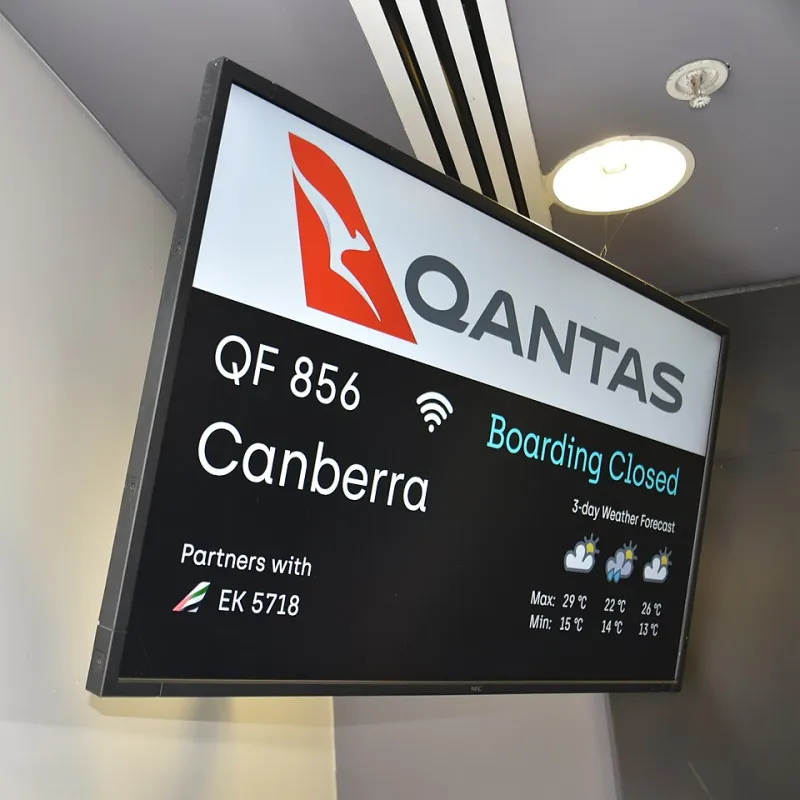
Photo: Bahnfrend, CC BY-SA 4.0, via Wikimedia Commons
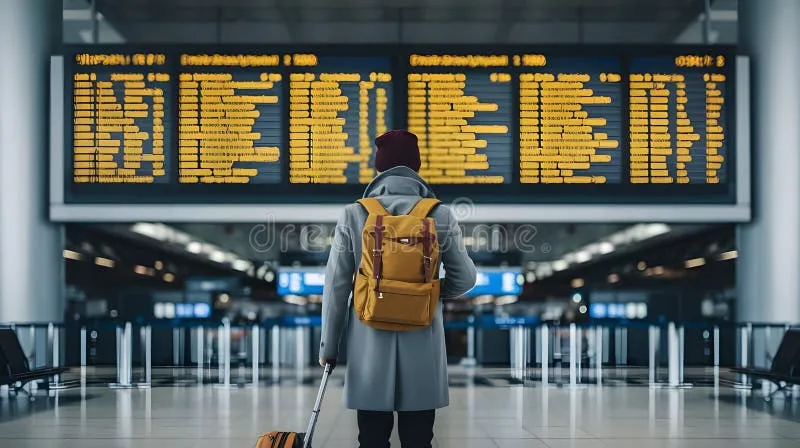
There's a particular kind of airport energy that happens when things go sideways. Gate agents are speed-walking in every direction. The departure board looks like a slot machine stuck on triple cherries — except instead of jackpots, it's just delays and cancellations cycling endlessly. Passengers are furiously texting their families, rescheduling Airbnbs, and stress-eating $19 airport pretzels.
And somewhere in the middle of all that beautiful chaos? A pricing vacuum quietly opens up. And if you know how to look for it, you can fly through it for a fraction of what you'd normally pay.
Welcome to the Lucky Jet paradox: sometimes the worst travel days in America are secretly the best days to book a flight.
Why Airlines Basically Start Giving Seats Away During Meltdowns
Here's the thing about airline economics that most people don't realize: empty seats are the enemy. Once a plane takes off with an unsold seat, that revenue is gone forever. Airlines can't exactly put a half-used flight back on the shelf.
When a major cancellation storm hits — whether it's a nor'easter slamming the Northeast, a tech outage scrambling operations, or a staffing crisis cascading through a hub city — airlines suddenly find themselves with a very specific problem. They have a glut of displaced passengers who need rebooking, and they have future flights that are now filling up unevenly. Some routes go from 40% full to 95% full overnight. Others, particularly secondary routes or flights operating out of less-affected airports, get weirdly, wonderfully empty.
To move inventory on those thin routes, airlines quietly drop prices. Sometimes dramatically. We're talking fare classes that normally cost $400 suddenly sitting at $89. Not because of a sale. Not because of a promo code. Just because the algorithm is doing what algorithms do: responding to demand signals in real time, and right now demand has basically evaporated on certain routes because everyone is too busy being furious at Gate B-14.
The Anatomy of a Pricing Vacuum
Not every cancellation event creates a booking opportunity. You need a specific set of conditions to line up — kind of like a lunar eclipse, but for budget travel.
High-volume disruption at a major hub. Think Atlanta, Chicago O'Hare, Dallas/Fort Worth, or Newark. When one of these airports gets hammered, the ripple effects are enormous. Thousands of passengers get displaced, rebooking demand spikes on popular routes, and less-traveled routes quietly empty out.
A disruption that's localized or weather-specific. If the whole country is grounded (think a nationwide ground stop), prices don't drop — they actually spike. But when the chaos is concentrated in a specific region or affecting a specific carrier, that's when you start seeing weird pricing anomalies elsewhere.
A booking window of two to five days out. This is key. You're not looking to book a flight in four months. You're looking at the near-term inventory that airlines are desperately trying to fill before those planes take off light. The sweet spot tends to be flights departing within the next 48 to 120 hours.
Flights on unaffected carriers. If Delta's melting down in Atlanta, check what American, Southwest, or Spirit are doing on similar routes. Competition kicks in fast, and carriers that aren't part of the chaos will often lower prices to absorb demand — or, more quietly, just leave low fares sitting there while everyone else is distracted.
How to Actually Spot These Windows in Real Time
Okay, so how do you monitor for this without sitting in front of FlightAware like a day trader watching penny stocks?
First, set up fare alerts on Google Flights, Hopper, or Kayak for routes you're flexible about. Not specific destinations — routes. If you can fly out of, say, Chicago to anywhere warm, set alerts for Chicago departures broadly. When prices on certain routes drop suddenly and sharply, the alert will catch it.
Second, follow a few aviation and travel chaos Twitter/X accounts. Handles that track FAA ground stops, major carrier delays, and operational disruptions are basically your early warning system. When you see a meltdown developing at a hub, that's your cue to start checking fares on adjacent routes.
Third — and this one sounds counterintuitive — check the airline's own website directly. During operational chaos, airlines sometimes post inventory on their own platforms before it shows up on aggregators. The aggregator data can lag by 20 to 40 minutes, which in a fast-moving pricing window can be the difference between $89 and $189.
Finally, be ready to book fast and book decisively. These windows don't stay open long. Once the disruption stabilizes, the algorithm recalibrates and those seats either sell or reprice upward. You've got maybe a few hours to act before the deal evaporates like a morning fog over LAX.
The Flexibility Factor: Why This Only Works If You're Ready to Roll
Let's be honest about who this strategy is actually for. If you have a rigid itinerary, a non-refundable hotel, and a boss who will fire you if you miss Monday's meeting, this is not your move. The chaos deal only pays off if you're the kind of traveler who can look at a suddenly cheap flight to Nashville and say, "Sure, why not? I'll figure out the hotel when I land."
That's the FlyLuckyJet spirit in its purest form. You're not booking the trip you planned. You're booking the trip the universe is offering you right now, at a price that makes no logical sense, because some gate agent in Chicago is having the worst Tuesday of their career.
The travelers who win at this game tend to have a few things in common. They keep their passports current and accessible. They have a go-bag or are comfortable packing light on short notice. They've got travel credit cards that offer some protection against trip changes. And they genuinely find the spontaneity exciting rather than terrifying.
One More Thing: The Rebooking Angle
Here's a bonus move that frequent flyers already know about. If you're already booked on a flight during a major disruption event, and your flight is canceled or significantly delayed, most major US carriers will let you rebook on a different flight at no charge — sometimes including flights on future dates.
Savvy travelers have used this to essentially upgrade their itinerary for free. Get canceled, get rebooked on a better routing, or use the travel credit toward a future trip at a time that actually works better for you. It's not exactly exploiting the chaos — it's just reading the fine print that airlines are contractually obligated to honor.
The Bottom Line
Airline chaos is going to happen. It happened last summer, it'll happen this winter, and it will absolutely happen during whatever holiday season is coming up next. The question isn't whether meltdowns will create pricing anomalies — they always do. The question is whether you'll be positioned to notice and move on them.
Next time you see a cancellation storm developing on the news, don't just feel bad for the stranded passengers at O'Hare. Open a new browser tab. Check some fares. You might just find that someone else's travel nightmare is your cheapest flight of the year.
Roll the dice. Catch the flight. Save thousands. That's the Lucky Jet way.